Experiencing water damage in your home can be a stressful and overwhelming event. Whether it is caused by a burst pipe, flooding, or a roof leak, water can wreak havoc on both the structure of your home and your personal belongings. Immediate action is essential, but even with the best intentions, homeowners often make mistakes that can worsen the situation or increase repair costs. Understanding these common pitfalls can help you respond more effectively and protect your home from long-term damage.
Water damage is not just about the visible effects. While standing water or wet walls are obvious signs, moisture can infiltrate hidden areas such as behind drywall, under flooring, or inside cabinets. Failure to address these concealed areas can lead to structural deterioration, mold growth, and health risks. Being aware of common missteps allows homeowners to take decisive, informed actions that reduce the impact and cost of restoration. Click here at https://www.allproutah.com for more information.
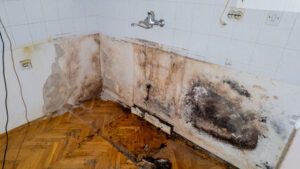
Delaying Professional Assistance
One of the most frequent mistakes homeowners make after water damage is delaying professional help. Many assume that minor flooding or a small leak can be handled with basic cleaning or a wet/dry vacuum. While small spills may seem manageable, water spreads quickly and can seep into unseen areas.
Professional water damage restoration companies have the equipment, expertise, and experience to thoroughly assess the damage. They use moisture meters and infrared cameras to detect hidden moisture, preventing future problems such as mold and structural weakening. Delaying professional intervention can allow water to continue damaging the property, turning a manageable repair into a costly project.
Attempting Extensive DIY Repairs
While minor cleaning may be necessary initially, attempting extensive DIY repairs is another common mistake. Homeowners often think they can fix structural issues, replace drywall, or restore carpets themselves. Unfortunately, improper handling can worsen the damage or create safety hazards.
Key areas where DIY attempts can fail include:
- Electrical systems: Water and electricity are a dangerous combination, and attempting repairs without proper knowledge can lead to injury or fire hazards.
- Structural elements: Removing or replacing wet materials incorrectly can compromise walls, flooring, or foundations, resulting in costly rebuilds.
Hiring trained professionals ensures that repairs are done safely and according to industry standards, reducing the risk of hidden damage.
Ignoring Mold Prevention
Mold growth is one of the most serious consequences of water damage, yet it is often overlooked. Mold can begin developing within 24 to 48 hours after water exposure, especially in damp, dark areas. Many homeowners mistakenly assume that simply drying visible water is enough to prevent mold.
To prevent mold:
- Act quickly: Remove excess water and begin drying materials immediately.
- Use dehumidifiers and fans: These tools reduce moisture in the air and help dry walls, floors, and furniture.
- Inspect hidden areas: Mold often develops behind walls, under flooring, and inside cabinets where water may have seeped.
Neglecting mold prevention can result in health issues, such as respiratory problems, allergies, and infections, as well as expensive remediation costs.
Failing to Document Damage for Insurance
After a water damage incident, homeowners sometimes neglect proper documentation for insurance claims. Photographing damage and keeping records of affected items is essential for securing coverage. Failing to document damage thoroughly can lead to denied claims or reduced compensation.
It is important to:
- Take clear photos and videos: Capture both the overall scene and close-up details of damaged areas and belongings.
- Keep receipts and records: Document expenses for temporary repairs, water extraction, and professional assessments.
Proper documentation ensures a smoother claims process and protects your financial interests during repairs.
Overlooking Electrical and Gas Hazards
Water can create serious hazards when it comes into contact with electrical systems or gas appliances. A common mistake is attempting to enter a flooded area without assessing potential dangers. Standing water in basements, utility rooms, or kitchens may be in contact with outlets, wires, or gas lines, posing severe risks.
Homeowners should:
- Turn off power at the main breaker: Ensure safety before entering affected areas.
- Shut off gas supply if necessary: Prevent leaks and explosions in areas impacted by water.
- Avoid contact with standing water: Even small amounts can conduct electricity if wiring is compromised.
Taking these precautions reduces the risk of injury and allows professionals to safely conduct restoration.
Using Inappropriate Cleaning Products
After water damage, it may seem natural to clean affected surfaces immediately. However, using inappropriate cleaning products can exacerbate the damage. Harsh chemicals may react with materials like wood, carpets, or drywall, causing staining, warping, or structural issues.
Instead, homeowners should:
- Rely on professional cleaning solutions: Water damage specialists use products designed to neutralize contaminants and prevent microbial growth.
- Avoid bleach on porous surfaces: While bleach kills some bacteria, it does not prevent mold growth on absorbent materials.
Proper cleaning is essential for restoring both the safety and integrity of your home.
Neglecting Furniture and Personal Belongings
Water damage can affect not only the structure of the home but also furniture, electronics, and personal items. A common mistake is ignoring or delaying the removal of these items, which may be salvageable if handled promptly.
Key steps include:
- Move furniture to dry areas: Prevent further absorption of water and minimize warping.
- Dry electronics carefully: Avoid turning on devices while wet, and seek professional assessment.
- Salvage valuable documents: Use drying techniques or professional document restoration services for important papers.
Addressing personal property promptly reduces losses and ensures a smoother recovery process.
Underestimating Long-Term Damage
Many homeowners assume that visible water damage is the extent of the problem. In reality, moisture can persist in hidden areas, leading to long-term issues such as structural weakening, wood rot, and recurring mold. Underestimating the extent of damage often leads to incomplete repairs and future problems.
Professional water damage services conduct thorough inspections to identify hidden moisture and implement drying strategies that prevent long-term damage. By addressing these areas, homeowners can safeguard their investment and maintain the integrity of the home.
Ignoring Preventative Measures for the Future
After resolving immediate water damage, some homeowners fail to take steps to prevent future incidents. Water damage is often recurring, especially in areas prone to leaks, flooding, or plumbing failures. Neglecting preventative maintenance increases the likelihood of repeated problems and additional repair costs.
Preventative actions include:
- Inspecting roofs and gutters regularly: Prevent leaks and water accumulation.
- Monitoring plumbing systems: Replace aging pipes and fix leaks promptly.
- Installing water detection devices: Early warning systems can alert homeowners to leaks before significant damage occurs.
Proactive measures reduce the risk of future water damage and protect both property and possessions.
Failing to Act Quickly
Time is critical when dealing with water damage. Delaying action allows water to penetrate deeper into materials, creating more severe structural problems and increasing the likelihood of mold. Even a few hours of delay can result in significant escalation of damage.
Homeowners should act immediately by:
- Stopping the source of water: Close valves, pumps, or redirect water flow if possible.
- Extracting standing water: Use wet vacuums or call professional water extraction services.
- Starting drying procedures: Utilize fans, dehumidifiers, and ventilation to prevent secondary damage.
Quick action limits losses, reduces repair costs, and improves the chances of successfully restoring affected areas.
Conclusion
Experiencing water damage is stressful, but avoiding common mistakes can make the recovery process more manageable. Delaying professional assistance, attempting extensive DIY repairs, ignoring mold prevention, and overlooking safety precautions are some of the pitfalls that homeowners often encounter. Proper documentation for insurance, careful cleaning, safeguarding personal belongings, and proactive measures for the future are equally critical.
By understanding and addressing these common mistakes, homeowners can reduce the severity of damage, save on repair costs, and ensure a safer, healthier home environment. Acting quickly, relying on professional expertise, and taking preventative steps are essential strategies for minimizing the impact of water damage and protecting your property for years to come.
Water damage is more than a temporary inconvenience—it is a serious threat that requires timely, informed, and strategic action. Avoiding these mistakes ensures a smoother recovery, preserves the integrity of your home, and safeguards the well-being of your household.