Modesto Cabinet Painters require a more detailed process than house painting. It’s important to properly strip and scrub the surfaces, then sand before adding a primer to allow the finish coats to adhere for maximum durability.
A good cabinet painter will have a wealth of experience in color theory, and they’ll stay up to date on the latest interior design styles. A professional will also avoid budget shortcuts that may lead to flaws and costly repainting down the road.
While painting cabinets may seem straightforward at first glance, it requires a specific skill set that can only be developed through years of experience. This is why it’s important to hire professionals who have the necessary knowledge and expertise to complete the project properly. By choosing a skilled contractor, you can ensure that the results will be both beautiful and durable.
While hiring a professional for cabinet painting can be more expensive than DIY, it saves time and money in the long run. Professionals can work more efficiently, and they can also provide valuable advice on color selection that will complement your home’s style and décor. Additionally, professional painters can often get better deals on high-quality paints and materials than DIYers can.
A quality paint job on your cabinets can increase the value of your home and boost its curb appeal. In addition, a professional finish will stand up to regular handling and exposure to moisture and grease. Professionals use cabinet-specific paints that are designed to resist chipping and other damage. In contrast, general house paint isn’t made to withstand these conditions and will likely need to be repainted sooner than expected.
When searching for a qualified cabinet painter, consider their level of expertise and the length of time they’ve been in business. It’s also important to ask for references and review online feedback from past clients. This will help you select a contractor with a solid track record of customer satisfaction.
In addition to technical expertise, professional cabinet painters are committed to delivering exceptional customer service. They prioritize clear communication, prompt completion of projects, and clean and organized work environments. Additionally, many offer warranties and touch-up plans to protect their customers in the event that something goes wrong after the job is completed.
When selecting a professional to complete your kitchen cabinet painting project, look for one who offers warranties and guarantees on their services. This will give you peace of mind that the job will be done right and that any issues that arise will be resolved quickly and effectively.
Time savings
Professionals work quickly to complete projects, allowing homeowners to enjoy their updated space sooner. In addition, hiring professionals eliminates the need for additional repairs and touch-ups that can occur when DIY homeowners attempt to paint their cabinets.
Professional cabinet painters have extensive training and experience, allowing them to achieve flawless results that are far superior to amateur DIY efforts. They know how to properly prepare surfaces for painting by cleaning and sanding, ensuring a smooth finish that will resist chipping and peeling over time. They also use high-quality materials and paints that are specifically designed for cabinetry, offering durability and resistance to wear and tear. Professionals also avoid shortcuts that can result in uneven or unattractive finishes, saving you money in the long run.
One of the most significant benefits of cabinet painting is its transformative impact on a room’s ambiance and aesthetic. Skilled painters offer a wide variety of colors and finish options, allowing you to create a bespoke appearance that complements your style preferences while meeting the functional requirements of the room. Furthermore, skilled painters can help you explore decorative techniques and accents such as glazing or antiquing to further personalize your cabinets and elevate the look of the room.
In addition to enhancing the look of your kitchen, cabinet painting can save you thousands of dollars compared to purchasing and installing new cabinets. The cost-effective approach allows you to upgrade your space without straining your budget and sacrificing the value of your home.
Despite the numerous benefits of cabinet painting, many homeowners are hesitant to undertake the project themselves. They may fear that it will be too time consuming or difficult, which is why hiring professional cabinet painters is the best option. However, it’s important to remember that hiring professional painters isn’t just about saving you time and stress. Hiring the right painters ensures that you’ll get a quality job that will last for years to come, avoiding costly mistakes and recurring problems. If you’re considering updating your kitchen with new cabinets, contact WH Finishing to learn more about the advantages of cabinet painting.
Added value
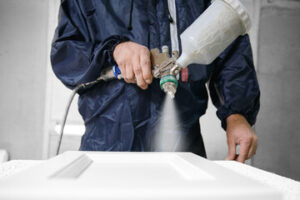
A fresh coat of paint on cabinets adds instant value to your home or business. A professional finish on your cabinetry will make it look brand new, which is an important factor if you’re considering selling your property in the future. Professionals use high-end paint sprayers to speed up the process and can get your project done in a fraction of the time it would take if you did the job yourself.
Unlike painting walls, cabinetry requires a great deal of attention to detail and careful prep work. It also entails more labor-intensive tasks like removing and rehanging doors and drawer fronts, repairing damage, and applying high-quality primers and paints. Professionals have the experience and know-how to get the job done right the first time around. This saves you time and money on costly fixes down the road.
Cabinet painters are trained to handle a variety of materials and finishes, including wood, laminate, and MDF. They use cabinet-specific paints that are formulated to resist wear and tear. These paints are able to stand up to moisture, grease, and heat – which is critical in the kitchen. Choosing the right paint will ensure that your cabinets look and last for years to come.
When hiring a professional, ask to see examples of their previous work. Also, check out reviews and customer feedback. Look for a licensed contractor with liability insurance and workers’ compensation coverage in case of any injuries.
It’s also a good idea to hire a local company that has experience working in your neighborhood or community. This way, you can be confident that they will complete the job in a timely fashion with minimal disruption to your daily routine.
Hiring a professional to paint your cabinets may seem expensive at first, but it’s actually the smarter choice in the long run. It can save you money on a costly renovation, and it will keep your cabinets looking great for a longer period of time. Plus, a professional job will add curb appeal to your property and give potential buyers the confidence that they are purchasing a quality home or business.
Preparation
Cabinet painting can be a DIY project for many homeowners, but it is also a job that requires specialized skill and years of practice to complete properly. Hiring professionals ensures the best results and helps you avoid costly mistakes that could damage your home value.
Before a paint job can begin, it is necessary to protect surrounding surfaces with plastic tarps and masking tape. This process will prevent splatter and dust from getting onto surfaces that are not being painted. Next, all cabinet surfaces must be cleaned thoroughly with a degreaser to remove any grease and grime that is built up on the cabinets. This step is important because it will help the new coat of paint adhere to the surface and last longer.
A professional will then sand the entire surface, which prepares it for the final layer of paint and helps create an even, smooth finish. A light sanding can also help remove any scratches or imperfections in the existing cabinet surface. Once the surface is ready for the primer, it will be applied evenly with a brush or roller, allowing time to dry between each application.
After the primer has dried, a final coat of high-quality paint is then applied to the surface. This durable, long-lasting finish can stand up to the wear and tear that kitchen cabinets face on a daily basis. It will also add a touch of elegance to your kitchen or bathroom.
In addition to the paint itself, professional cabinet painters will also use the highest-quality sealants and varnishes. These coatings will help the finished product resist chipping, peeling, and staining for a more durable, longer-lasting finish that will not fade over time. This provides a better quality of finish and an attractive appearance that will boost your home’s resale value.

