Author: Ayrton Jacobs

Why Cabinet Painters Are Better Than DIY Homeowners

Modesto Cabinet Painters require a more detailed process than house painting. It’s important to properly strip and scrub the surfaces, then sand before adding a primer to allow the finish coats to adhere for maximum durability.

cabinet painting

A good cabinet painter will have a wealth of experience in color theory, and they’ll stay up to date on the latest interior design styles. A professional will also avoid budget shortcuts that may lead to flaws and costly repainting down the road.

While painting cabinets may seem straightforward at first glance, it requires a specific skill set that can only be developed through years of experience. This is why it’s important to hire professionals who have the necessary knowledge and expertise to complete the project properly. By choosing a skilled contractor, you can ensure that the results will be both beautiful and durable.

While hiring a professional for cabinet painting can be more expensive than DIY, it saves time and money in the long run. Professionals can work more efficiently, and they can also provide valuable advice on color selection that will complement your home’s style and décor. Additionally, professional painters can often get better deals on high-quality paints and materials than DIYers can.

A quality paint job on your cabinets can increase the value of your home and boost its curb appeal. In addition, a professional finish will stand up to regular handling and exposure to moisture and grease. Professionals use cabinet-specific paints that are designed to resist chipping and other damage. In contrast, general house paint isn’t made to withstand these conditions and will likely need to be repainted sooner than expected.

When searching for a qualified cabinet painter, consider their level of expertise and the length of time they’ve been in business. It’s also important to ask for references and review online feedback from past clients. This will help you select a contractor with a solid track record of customer satisfaction.

In addition to technical expertise, professional cabinet painters are committed to delivering exceptional customer service. They prioritize clear communication, prompt completion of projects, and clean and organized work environments. Additionally, many offer warranties and touch-up plans to protect their customers in the event that something goes wrong after the job is completed.

When selecting a professional to complete your kitchen cabinet painting project, look for one who offers warranties and guarantees on their services. This will give you peace of mind that the job will be done right and that any issues that arise will be resolved quickly and effectively.

Time savings

Professionals work quickly to complete projects, allowing homeowners to enjoy their updated space sooner. In addition, hiring professionals eliminates the need for additional repairs and touch-ups that can occur when DIY homeowners attempt to paint their cabinets.

Professional cabinet painters have extensive training and experience, allowing them to achieve flawless results that are far superior to amateur DIY efforts. They know how to properly prepare surfaces for painting by cleaning and sanding, ensuring a smooth finish that will resist chipping and peeling over time. They also use high-quality materials and paints that are specifically designed for cabinetry, offering durability and resistance to wear and tear. Professionals also avoid shortcuts that can result in uneven or unattractive finishes, saving you money in the long run.

One of the most significant benefits of cabinet painting is its transformative impact on a room’s ambiance and aesthetic. Skilled painters offer a wide variety of colors and finish options, allowing you to create a bespoke appearance that complements your style preferences while meeting the functional requirements of the room. Furthermore, skilled painters can help you explore decorative techniques and accents such as glazing or antiquing to further personalize your cabinets and elevate the look of the room.

In addition to enhancing the look of your kitchen, cabinet painting can save you thousands of dollars compared to purchasing and installing new cabinets. The cost-effective approach allows you to upgrade your space without straining your budget and sacrificing the value of your home.

Despite the numerous benefits of cabinet painting, many homeowners are hesitant to undertake the project themselves. They may fear that it will be too time consuming or difficult, which is why hiring professional cabinet painters is the best option. However, it’s important to remember that hiring professional painters isn’t just about saving you time and stress. Hiring the right painters ensures that you’ll get a quality job that will last for years to come, avoiding costly mistakes and recurring problems. If you’re considering updating your kitchen with new cabinets, contact WH Finishing to learn more about the advantages of cabinet painting.

Added value

A fresh coat of paint on cabinets adds instant value to your home or business. A professional finish on your cabinetry will make it look brand new, which is an important factor if you’re considering selling your property in the future. Professionals use high-end paint sprayers to speed up the process and can get your project done in a fraction of the time it would take if you did the job yourself.

Unlike painting walls, cabinetry requires a great deal of attention to detail and careful prep work. It also entails more labor-intensive tasks like removing and rehanging doors and drawer fronts, repairing damage, and applying high-quality primers and paints. Professionals have the experience and know-how to get the job done right the first time around. This saves you time and money on costly fixes down the road.

Cabinet painters are trained to handle a variety of materials and finishes, including wood, laminate, and MDF. They use cabinet-specific paints that are formulated to resist wear and tear. These paints are able to stand up to moisture, grease, and heat – which is critical in the kitchen. Choosing the right paint will ensure that your cabinets look and last for years to come.

When hiring a professional, ask to see examples of their previous work. Also, check out reviews and customer feedback. Look for a licensed contractor with liability insurance and workers’ compensation coverage in case of any injuries.

It’s also a good idea to hire a local company that has experience working in your neighborhood or community. This way, you can be confident that they will complete the job in a timely fashion with minimal disruption to your daily routine.

Hiring a professional to paint your cabinets may seem expensive at first, but it’s actually the smarter choice in the long run. It can save you money on a costly renovation, and it will keep your cabinets looking great for a longer period of time. Plus, a professional job will add curb appeal to your property and give potential buyers the confidence that they are purchasing a quality home or business.

Preparation

Cabinet painting can be a DIY project for many homeowners, but it is also a job that requires specialized skill and years of practice to complete properly. Hiring professionals ensures the best results and helps you avoid costly mistakes that could damage your home value.

Before a paint job can begin, it is necessary to protect surrounding surfaces with plastic tarps and masking tape. This process will prevent splatter and dust from getting onto surfaces that are not being painted. Next, all cabinet surfaces must be cleaned thoroughly with a degreaser to remove any grease and grime that is built up on the cabinets. This step is important because it will help the new coat of paint adhere to the surface and last longer.

A professional will then sand the entire surface, which prepares it for the final layer of paint and helps create an even, smooth finish. A light sanding can also help remove any scratches or imperfections in the existing cabinet surface. Once the surface is ready for the primer, it will be applied evenly with a brush or roller, allowing time to dry between each application.

After the primer has dried, a final coat of high-quality paint is then applied to the surface. This durable, long-lasting finish can stand up to the wear and tear that kitchen cabinets face on a daily basis. It will also add a touch of elegance to your kitchen or bathroom.

In addition to the paint itself, professional cabinet painters will also use the highest-quality sealants and varnishes. These coatings will help the finished product resist chipping, peeling, and staining for a more durable, longer-lasting finish that will not fade over time. This provides a better quality of finish and an attractive appearance that will boost your home’s resale value.
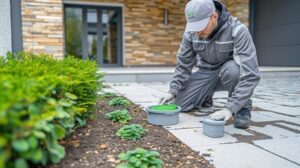
Eco-Conscious Pest Control Methods and Their Benefits

Pest control has long been associated with chemical treatments and aggressive interventions designed to eliminate infestations quickly. While these methods can be effective, they often come with significant environmental and health consequences. In recent years, the focus has shifted toward eco-conscious pest control methods—strategies that balance effective pest management with environmental responsibility.

These approaches prioritize prevention, targeted treatments, and sustainable practices that minimize ecological impact while protecting homes, businesses, and outdoor spaces. Understanding eco-conscious methods and their benefits is essential for property owners who want to maintain safe, healthy, and environmentally friendly living or working environments. Find out more at https://www.rodentretreattexas.com/.

pest control

Eco-conscious pest control starts with a philosophy that recognizes the interconnectedness of pests, property, and the surrounding ecosystem. Traditional chemical-heavy approaches often treat pests as isolated problems without considering long-term environmental consequences. By contrast, eco-conscious methods focus on understanding pest behavior, identifying contributing environmental factors, and implementing solutions that reduce reliance on harsh chemicals. This strategy is not only safer for humans and pets but also encourages long-term prevention rather than temporary relief.

One of the central components of eco-conscious pest control is Integrated Pest Management (IPM). IPM is a holistic approach that combines monitoring, prevention, and targeted intervention. By observing pest activity and environmental conditions, property owners and professionals can make informed decisions about when and how to act. For example, rather than spraying a broad chemical treatment across an entire property, IPM focuses on identifying hotspots, sealing entry points, and implementing non-chemical solutions where possible. This precision ensures that treatments are necessary, safe, and effective, reducing overall chemical use.

A critical aspect of eco-conscious pest management is the emphasis on prevention. Many pest infestations are linked to environmental conditions such as standing water, accumulated debris, or improperly stored food. By addressing these factors proactively, property owners can reduce the likelihood of infestations before they require chemical intervention. Preventive measures may include regular property inspections, maintaining cleanliness in high-risk areas, and ensuring proper drainage and ventilation to reduce moisture that attracts pests. These steps are both sustainable and cost-effective, making them an essential part of eco-conscious pest control strategies.

Eco-conscious methods also prioritize the use of non-toxic solutions whenever possible. Physical barriers, traps, and natural repellents are increasingly favored over chemical pesticides. For example, sealing cracks and gaps, installing screens, or using ultrasonic deterrents can prevent pests from entering living spaces without introducing harmful substances into the environment. In outdoor settings, natural deterrents such as essential oils, predator introduction, or plant-based solutions can control insects and rodents while maintaining ecological balance. By minimizing chemical exposure, these methods protect property occupants, pets, and local wildlife.

An additional benefit of eco-conscious pest control is its contribution to sustainable landscaping practices. Many traditional pest control approaches involve applying chemicals that can seep into soil, contaminate water sources, and disrupt beneficial insect populations. Eco-conscious strategies, by contrast, focus on maintaining a healthy outdoor ecosystem that naturally limits pest activity. This may include planting pest-resistant vegetation, promoting biodiversity, and encouraging natural predators that keep pest populations in check. Not only does this approach reduce the need for chemical treatments, but it also supports environmental stewardship and healthier outdoor spaces.

Education is another key element of eco-conscious pest management. Property owners and occupants are encouraged to understand how daily habits influence pest activity. Simple actions, such as storing food in sealed containers, removing standing water, and keeping outdoor areas tidy, can dramatically reduce the conditions that attract pests. Professionals often provide guidance on these practices, creating a collaborative approach where both property managers and occupants actively contribute to sustainable pest control. This level of awareness empowers individuals to maintain pest-free environments without relying heavily on chemical interventions.

Targeted treatments are central to the effectiveness of eco-conscious pest control. When interventions are necessary, professionals focus on localized solutions that minimize exposure and collateral impact. For instance, bait stations and spot treatments can eliminate problem areas without spreading chemicals throughout the property. This approach not only preserves the surrounding ecosystem but also reduces potential health risks to humans and pets. By combining preventive measures with precise treatments, eco-conscious pest control ensures long-term effectiveness while maintaining environmental responsibility.

Another significant advantage of eco-conscious pest control is its alignment with health and safety standards. Chemical pesticides, when overused, can pose respiratory risks, skin irritation, and other health concerns for occupants. Eco-friendly methods reduce these hazards by minimizing toxic exposure while maintaining effective pest management. For families with children, pets, or sensitive individuals, eco-conscious approaches provide peace of mind, ensuring that living spaces remain safe, comfortable, and free from unnecessary chemical risks.

Economic benefits are also associated with eco-conscious pest control. While some traditional chemical treatments may provide short-term relief, they often require repeated applications, leading to higher long-term costs. Preventive and targeted strategies reduce the frequency of interventions, which can result in significant savings over time. Furthermore, by maintaining structural integrity, preventing contamination, and avoiding health-related issues, eco-conscious methods contribute to cost efficiency across multiple aspects of property management.

Eco-conscious pest control methods also foster resilience against long-term environmental changes. Climate variations, seasonal shifts, and urban development can all influence pest behavior. Strategies that focus on monitoring, prevention, and environmental balance are better equipped to adapt to these changes. For example, identifying high-risk areas during inspections and implementing natural deterrents allows property owners to respond effectively to emerging pest challenges without relying on extensive chemical treatments. This adaptive approach enhances sustainability while maintaining consistent protection.

One of the most compelling reasons to adopt eco-conscious pest control is the positive impact on biodiversity. Traditional chemical treatments often kill not only pests but also beneficial insects, disrupting natural ecological systems. By using selective interventions, encouraging natural predators, and implementing non-toxic solutions, eco-conscious strategies preserve essential species such as pollinators and decomposers. This not only supports environmental health but also helps create a balanced ecosystem where pest populations are naturally controlled.

Implementing eco-conscious pest control involves both property evaluation and ongoing monitoring. Professionals begin by identifying structural vulnerabilities, environmental attractants, and pest activity patterns. This information guides the development of tailored strategies that integrate preventive measures, non-toxic interventions, and localized treatments. Ongoing monitoring ensures that adjustments can be made as conditions change, maintaining effective pest management while minimizing ecological impact. This continuous cycle of assessment and action embodies the core principles of sustainability and long-term protection.

In addition to environmental and health benefits, eco-conscious pest control methods can enhance property aesthetics and overall quality of life. Chemical treatments can leave residues, odors, or stains, whereas natural or targeted interventions maintain cleanliness and minimize disruptions. Outdoor spaces benefit from healthier landscaping, reduced contamination, and a natural balance between flora and fauna. Inside buildings, occupants experience fewer allergens, improved air quality, and reduced exposure to hazardous substances. These factors collectively improve comfort and satisfaction for both residents and visitors.

Furthermore, eco-conscious pest control aligns with broader sustainability goals that many property owners and organizations prioritize today. Incorporating green practices into routine maintenance demonstrates a commitment to responsible resource management and environmental stewardship. This can enhance property value, support corporate social responsibility initiatives, and appeal to environmentally conscious tenants, clients, or customers. The integration of eco-friendly pest management into everyday operations reflects a forward-thinking approach that balances practicality with ecological responsibility.

Collaboration between property owners, maintenance staff, and professional pest control providers is key to the success of eco-conscious strategies. By fostering clear communication, sharing inspection findings, and implementing recommended preventive measures, stakeholders work together to maintain an effective and sustainable pest control plan. This cooperative approach ensures that eco-conscious practices are applied consistently and effectively, creating a resilient framework for long-term protection.

Finally, the combination of monitoring, prevention, targeted treatments, and education makes eco-conscious pest control a highly effective strategy for long-term pest management. Rather than relying on short-term chemical solutions, this approach addresses underlying causes of infestations, strengthens environmental resilience, and minimizes health and ecological risks. By integrating these methods into regular property maintenance, owners achieve reliable pest control while supporting broader sustainability goals.

In conclusion, eco-conscious pest control methods represent a modern, responsible approach to managing pest activity. By emphasizing prevention, non-toxic solutions, targeted treatments, and environmental stewardship, these strategies offer numerous benefits for property safety, occupant health, and ecological balance. The advantages extend beyond pest elimination, including reduced chemical exposure, cost efficiency, biodiversity protection, and enhanced property aesthetics. Implementing eco-conscious pest control requires consistent monitoring, professional guidance, and collaboration with property occupants, but the long-term rewards are substantial. By adopting these methods, property owners and facility managers can maintain safe, pest-free environments while contributing to a healthier and more sustainable world.

Navigation