Author: Nadine Duke

How to Choose Reputable Moving Companies

Whether you’re moving office or home, packing and transporting your belongings requires time, energy, supplies, and labor. You can choose to do-it-yourself or hire a full-service moving company.

Moving Companies

A good mover should present you with a bill of lading that includes an inventory list before your shipment leaves the starting location. Be sure to disclose any articles of extraordinary value.

A company’s reputation is its most valuable asset, and the moving industry is no exception. When consumers are searching for a moving company, they often read reviews and testimonials to understand the quality of service offered. It is also important to look at the company’s certifications and insurance, as these factors can indicate the reliability of a mover.

Building a business’s reputation requires a lot of hard work. Those starting a new moving company should request references and referrals from past clients to get their name out there, and they should also create a portfolio of photos of their work. This will help them to stand out amongst the competition, especially if they are operating in an already-crowded market.

In the modern world, it’s essential for businesses to focus on customer experience. Almost 85% of consumers read online reviews before making a purchase decision, and many will hire the company with the best ratings and highest visibility. Moving companies can leverage this competitive advantage by focusing on online reputation management (ORM).

A strong customer service culture is the foundation of a great business. This includes encouraging customers to leave reviews and addressing any negative feedback promptly. It’s also important for movers to train their employees to deliver quality service, and to reward them with performance-based incentives. For example, a mover can offer a small discount or loyalty points to crew members who receive 5-star ratings on their reviews. This can help to retain top talent and build a loyal customer base. A strong online presence is also important for moving companies, as it can help to boost search engine rankings and increase visibility. This will ultimately result in more booked jobs for the business.

Insurance

A good moving company should have the right insurance policy to protect its clients. Moving insurance is specifically designed for movers, and provides financial protection in the event of loss or damage during transit. The type and amount of coverage needed depends on several factors, including the value and nature of the items being moved. High-value items, such as jewelry and antiques, typically require a higher level of coverage. The distance of the move also plays a role, as longer moves often involve more handling and an increased chance of damage.

Insurance policies vary, but most include some form of liability coverage. The most basic option is released value protection, which is usually included in the cost of the move and compensates customers at a rate of 60 cents per pound per item. This coverage is adequate for many people, but it does not provide comprehensive protection. It is important to choose a moving company that offers full replacement value coverage, which reimburses the customer for their lost or damaged items at their current market value.

While most moves go smoothly, there are times when property damage occurs. For this reason, most movers have an insurance policy that provides coverage for property damage caused by their employees. This policy is known as a Certificate of Insurance or COI, and is required by most buildings when movers work on their premises. It is important to ask your mover about the COI before you sign a contract.

The types of coverage available for moving companies differ, and they may be bundled together under one policy or offered separately. For example, some companies offer a package that includes home and auto insurance, which can save you money. However, if you move to another state, your bundled policy will cease, and you will need a new homeowners or renters insurance plan. It’s best to find an insurer that works nationwide and allows you to change your address online, as this will simplify the process.

While the majority of movers’ insurance policies are standardized across the country, you can still shop around to find the best rates and terms. You should consider the deductible, off-premises limits, sublimits, and Actual Cash Value or Replacement Cost Valuation (RCV) terms.

Equipment

Whether you’re moving equipment for a construction project or simply getting a new home, it is important to have the right equipment to make the process easier and safer. This includes everything from dollies to trailers and trucks. Unless you have your own moving company, you will need to rent or buy the equipment you need. It’s also important to know which type of vehicle is best for each job, and to make sure that all your team members are familiar with proper loading techniques. This is especially important when it comes to securing large, heavy materials and equipment for transport.

If you’re moving heavy or oversized equipment, professional movers have the equipment and expertise to handle it safely and efficiently. These movers will disassemble and pack machinery before loading it into a truck for transport, making sure that all pieces are secured to minimize damage during the move. Once at the new location, professionals will reassemble and test equipment to ensure that it is functioning properly. They will also provide a comprehensive risk assessment before the move to identify and mitigate potential hazards.

Full-service movers offer a complete moving experience, managing every part of the relocation from beginning to end. They will visit your home to conduct a free consultation and assess the scope of the move before providing you with a quote. They will take into account factors such as the size of your home, accessibility, and the number of items that need to be moved. In addition, they will take into account any special packing or handling requirements for sensitive equipment and furnishings.

They will use large, four-wheel dollies to make crates and boxes easy to move. These dollies are designed to hold more weight than traditional dollies and have a much stronger frame. They can be used to move large crates of furniture, wall brackets that hang TVs, and even storage shelving. They can save you time and money, as they are more efficient than carrying the items manually.

In addition to the equipment mentioned above, professional movers have other tools and supplies that can help make your move more efficient. These tools include large ramps to place over small stairs leading into a building, as well as a piece of equipment called a piano board that makes it easier to move a piano by strapping it down securely. If you’re planning a long-distance move, moving companies also provide rental equipment such as U-Pack trailers and ReloCube containers for safe and convenient transportation.

Cost

Choosing the right moving company is a crucial step in the relocation process. You want to make sure that you’re getting a fair price, and that the company has all the required equipment and resources for your move. This includes quality packing materials, a large truck, and a professional workforce. If you’re unsure of how much your move will cost, ask for a free estimate. This way, you can avoid surprises on the day of your move.

The cost of moving a home can vary widely, depending on the size and complexity of the move. For example, a two-bedroom home will require more boxes and furniture than a one-bedroom apartment. Also, a long distance move will require more time and fuel than a local move. You’ll also need to factor in the cost of renting a moving van, movers, and insurance.

Full-service movers are typically the most expensive, but they’re also the easiest and safest option. If you have a lot of stuff to move, hiring a professional may be worth the extra cost. But if you’re on a budget, it might be cheaper to rent a truck and do the moving yourself.

Some moving companies charge a flat rate, while others calculate the cost of a move by weight or capacity. This can be confusing, especially if you’re not sure how much your shipment will weigh. Some movers even include a hidden “packing fee” that covers the cost of the supplies they use to pack your items.

Oversized or specialty items, such as pianos and antiques, may require a special handling fee. Also, if the move involves stairs or a long carry distance, you will be charged more. In addition, many buildings have non-refundable elevator reservation fees and security deposits.

Other moving costs can include the cost of packing materials and a tip for the movers. The best way to save money on your move is to declutter before the move, as this can reduce the total amount of weight and the amount of time needed to pack. You can also try to move during the off-season, when prices are lower.
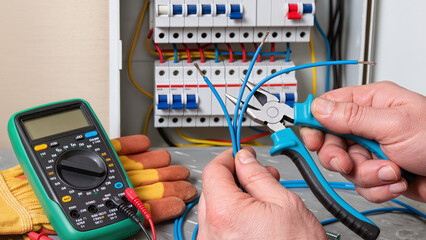
How to Identify Outdated Electrical Wiring in Your Home

Whether you’re worried about outdated electrical wiring in your home or just want to make sure everything is safe, there are some common warning signs that it may be time to upgrade.

Frequent circuit breaker trips or blown fuses are indications that the system is struggling to manage current demands. Other red flags include a lack of GFCI outlets in moisture-prone areas.

Flickering or Dimming Lights

Electrical

Whether flickering in one room or throughout your entire home, a constant flicker of light is more than just annoying, it’s a warning sign that your wiring may be outdated. Flickering lights can be the result of a number of different things, from a simple light bulb that needs to be tightened, to an overloaded circuit or loose electrical connections that lead to overheating. Left unchecked, overheating can cause fire hazards in your walls and ceilings.

Over time, the tiny fractional resistive gaps between stranded conductors widen through thermal cycling, corrosion, physical abrasion, and poor initial installation workmanship. The resulting excessive heat buildup creates intermittent illumination interruptions resembling a flickering light. From corroded switch terminals to overheated wire nuts connecting conductors together, these compromised joining points serve as portals for illumination disruptions that quickly progress from inconsistent flickering to sustained arc faults and blatant lighting outages.

The good news is that the vast majority of flickering light issues are relatively minor and can be fixed with a quick fix or replacement. If it’s only one fixture that’s flickering, a simple swap of bulbs could solve the problem. If the issue occurs in multiple rooms, try wiggling the switch to see if that helps.

However, if one or more fixtures continue to flicker, or the occurrence of flickering coincides with frequent breaker trips or blown fuses, you should call an electrician immediately. Observe the onset of these symptoms for several days to determine whether they’re isolated to the specific area, or if it’s indicative of an underlying, more serious electrical problem. A licensed residential electrician can evaluate your electrical system and provide the necessary upgrades to keep your house safe.

Frequent Circuit Breaker Trips or Blown Fuses

Your circuit breaker works like a watchful guardian for your electrical system. When it senses too much power is flowing, it cuts the electricity – a safety feature that’s saved countless homes from fires. While the occasional breaker trip is normal (your hairdryer, microwave, and coffee maker all hitting it at once), frequent trips indicate that your home’s wiring is overburdened.

If your breaker is older than 30 years, it’s likely time to replace it. If you’re unsure, check its label for the date of manufacture. Unlike fuse boxes, which are single-use and offer limited protection, modern breaker panels use resettable switches that can be easily replaced without having to replace the entire panel.

Older homes often have a faulty wiring system called knob-and-tube or cloth-covered wiring that’s unsafe and not designed to handle today’s electrical loads. These systems are prone to overheating, sparking, and fires, which can cause costly damage if left unchecked.

If you’re concerned about your home’s wiring, it’s important to know the warning signs so that you can schedule a professional inspection. A licensed electrician will be able to assess the situation and recommend any necessary upgrades. Call Noonan Energy today to learn more about our residential electrical services and how we can help bring your home up to code. We are one of the leading electricians in Texas. Our services include emergency repair, LED lighting installation, electrical system audits and more. Request your free estimate today! We proudly serve homeowners in Houston, Fort Worth, Dallas, and surrounding areas. We look forward to hearing from you!

Warm or Discolored Outlets or Switches

Your wiring is an essential system that provides power for everything from your lights and appliances to your heating, cooling, home office, and computers. Over time, it can begin to age and become outdated. If not properly maintained, this outdated wiring can cause numerous problems, including blown fuses and tripped breakers. In the worst cases, it can even lead to electrical fires.

Fortunately, there are several warning signs that can help you identify an outdated wiring problem. Often, these clues present themselves through sensory cues that you can see, feel, or smell. For example, if you notice a burning odor or see visible signs of heat damage, such as discoloration or scorch marks around an outlet or switch, it’s a clear sign that the insulation is overheating and poses a serious fire hazard.

Other clues include a tingling sensation when you touch your appliances or other outlets, as well as devices that take longer than usual to turn on or complete tasks. These are all indications that they’re working harder than they should, as they are receiving less than ideal voltage from the outlet [1].

You can also look at your outlets for clues about their age. For instance, two-prong outlets, which lack a ground opening, often indicate older wiring that was installed prior to the introduction of grounded circuits. Moreover, they are a major safety risk because they fail to provide a reliable path for electricity to flow through to avoid surges and shocks.

You should also watch out for aluminum wires, which were common in homes built during the 1960s and 1970s due to a copper shortage. They are more prone to loosening and overheating than modern copper wiring, which increases your risk of frequent breaker trips or warm outlets.

Ungrounded Outlets or Switches

Older homes often have ungrounded outlets. They can be a simple nuisance, but they also pose serious risks for electrical shocks and hidden fire hazards. If your home has ungrounded outlets, it’s important to get them replaced as soon as possible. Ungrounded outlets also make it difficult for you to use modern appliances, and they can cause your appliances’ warranties to be invalidated. Bringing your home up to code is an investment in your safety and peace of mind, and it can help you avoid costly damage down the road.

If you notice that an outlet or switch doesn’t have a round third hole for the ground pin of your power cord, it’s probably ungrounded. You can tell by looking at the outlet, as well as by using a circuit tester. To test an outlet for a ground, insert the tester’s probe into the smaller vertical slot of the outlet and then in the larger slot. If the indicator light lights up, it’s grounded. You can also check for a ground by removing an outlet from the wall and seeing if it has backstabbed wires sticking out of it.

These signs may seem small, but they’re a sign that your electrical wiring is outdated and in need of an upgrade. Many of the older systems in homes can’t handle the demands of today’s high-powered electronics and appliances, which can lead to overloaded circuits and frequent breaker trips.

Older houses are especially prone to these issues, as they were built before modern safety codes and requirements were implemented. It’s crucial for you to know what to look for so that you can take proactive steps to prevent problems before they become severe. Having your system rewired is a smart and affordable investment that can save you money in the long run by keeping your home running safely and efficiently.

Buzzing or Crackling Sounds

A safe and comfortable home is a top priority for all homeowners, especially those living in the Hampton Roads and 757 area. If you find yourself constantly hearing buzzing or crackling sounds, it could be a sign that the wiring in your house is outdated. These sounds are usually caused by arcing or damaged insulation and are not something to ignore, as they pose a significant fire risk and can damage your appliances.

A sizzling sound is another common symptom of outdated electrical wiring. The sound is created when the voltage of the current causes wires to heat up and expand, which can cause them to rub against each other or the insides of your walls. This is a major fire hazard and should be addressed immediately by an electrician.

If you’re hearing buzzing or crackling sounds in your home, you should shut off the power to that specific outlet or switch by turning the breaker on your home’s panel. This will prevent further electrical issues and give you an opportunity to do a visual inspection.

Look for charred outlets, discolored switches or wiring and any other signs of electrical damage. It’s also important to note whether or not the sound is coming from a single outlet or multiple outlets. If the sound is coming from multiple outlets, this may indicate that your wiring needs to be replaced.

Homes built in the 60s and 70s sometimes used aluminum wiring instead of copper because it was cheaper. However, aluminum is more prone to sparking and can cause dangerous fires. If you have aluminum wiring, it should be replaced as soon as possible with copper to ensure your safety.

Navigation